How to Get Rid of Bad Breath Without Just Covering It Up
Most bad breath begins in the mouth, where bacteria break down debris and release odor-producing sulfur compounds. A reliable plan cleans the tongue and spaces between teeth, supports saliva, and identifies problems such as gum disease, cavities, or dry mouth.
What to do today
Start with a complete cleaning rather than another mint. Brush for two minutes with fluoride toothpaste, clean between every tooth, and gently clean the back of the tongue, where odor-producing bacteria commonly accumulate.
Drink water if your mouth feels dry. Sugar-free gum can stimulate saliva after meals, but gum, sprays, and mints provide temporary odor control rather than treatment.
- Brush twice daily for two minutes with fluoride toothpaste.
- Floss or use an interdental brush once a day.
- Clean the tongue gently with a scraper or soft toothbrush.
- Clean retainers, night guards, and removable dentures every day.
- Avoid tobacco and do not rely on alcohol-heavy rinses if they worsen dryness.
Why breath odor keeps returning
Persistent odor often comes from tongue coating, plaque left between teeth, gingivitis, periodontitis, cavities, poorly cleaned dental appliances, or reduced saliva. Morning breath is common because saliva production falls during sleep.
Less often, the source is outside the mouth. Nasal drainage, tonsil stones, reflux symptoms, certain medicines, and some medical conditions can contribute, but stomach disease is not the usual explanation.
Dry mouth matters
Saliva washes away debris and helps control acidity. Mouth breathing, dehydration, cannabis, tobacco, and many prescription or over-the-counter medicines can reduce saliva; do not stop a prescribed medicine without consulting the prescriber.
Recommended Products
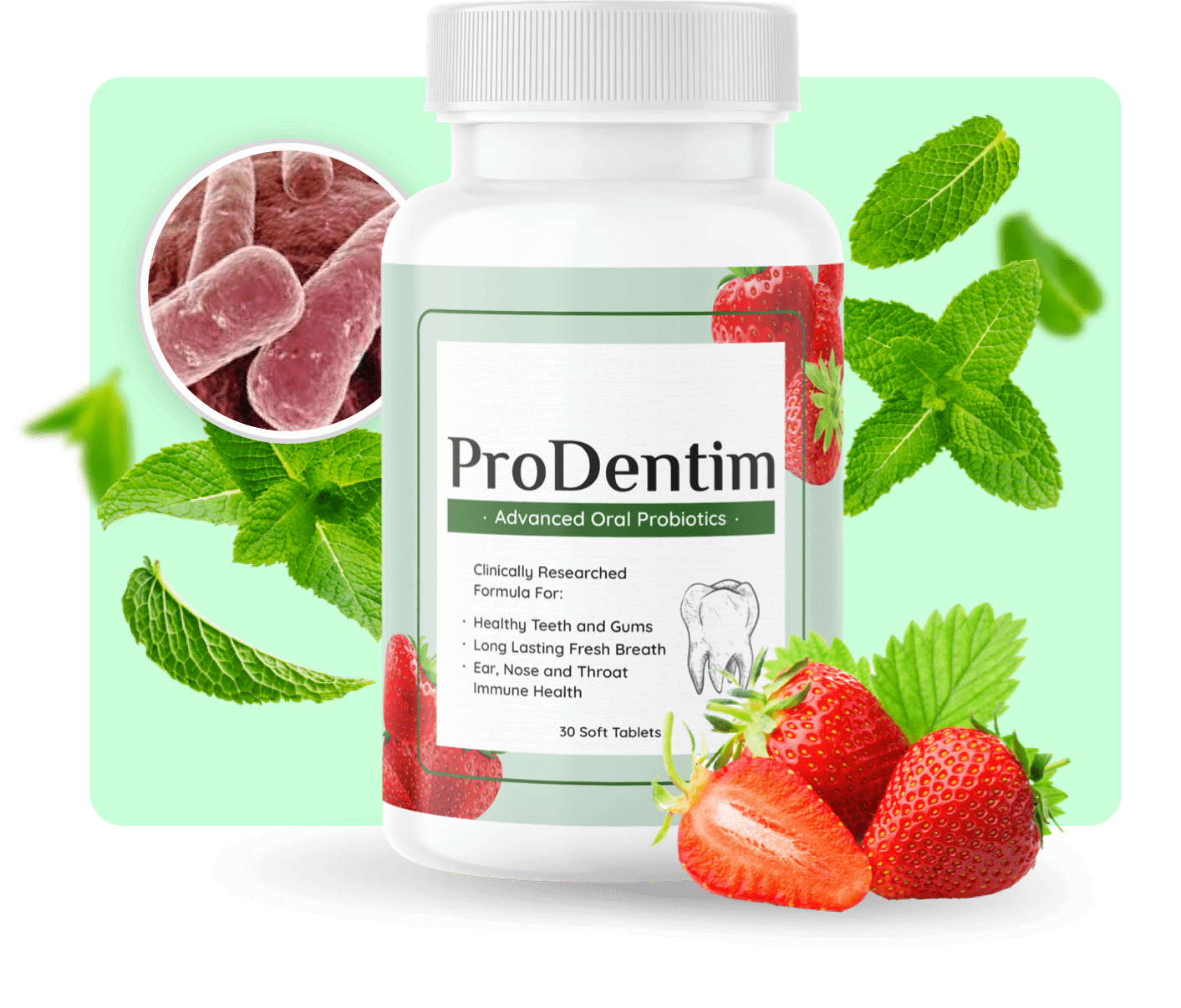
prodentim
The seller describes ProDentim as a blend of probiotics and nutrients containing 3.5 billion organisms, including B. lactis BL-04 and Lactobacillus reuteri. It also identifies peppermint and minerals among ingredients promoted for oral hygiene and breath.
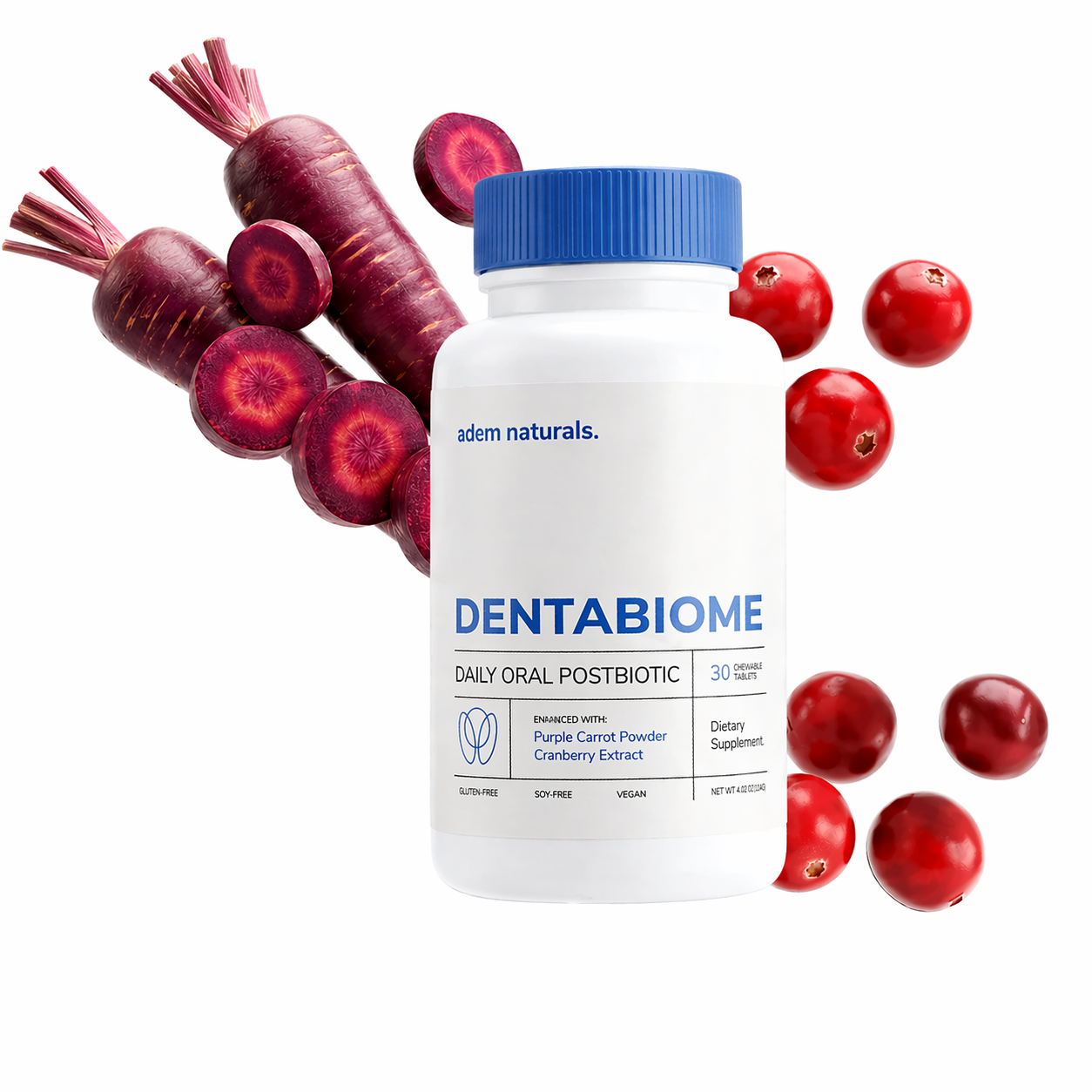
dentabiome
DentaBiome is described as a chewable oral postbiotic formula containing L. plantarum, L. salivarius, L. rhamnosus, xylitol, cranberry extract, purple carrot powder, and BioFresh Clean Complex. The seller positions it around microbiome balance, gum comfort, plaque management, and fresh breath.
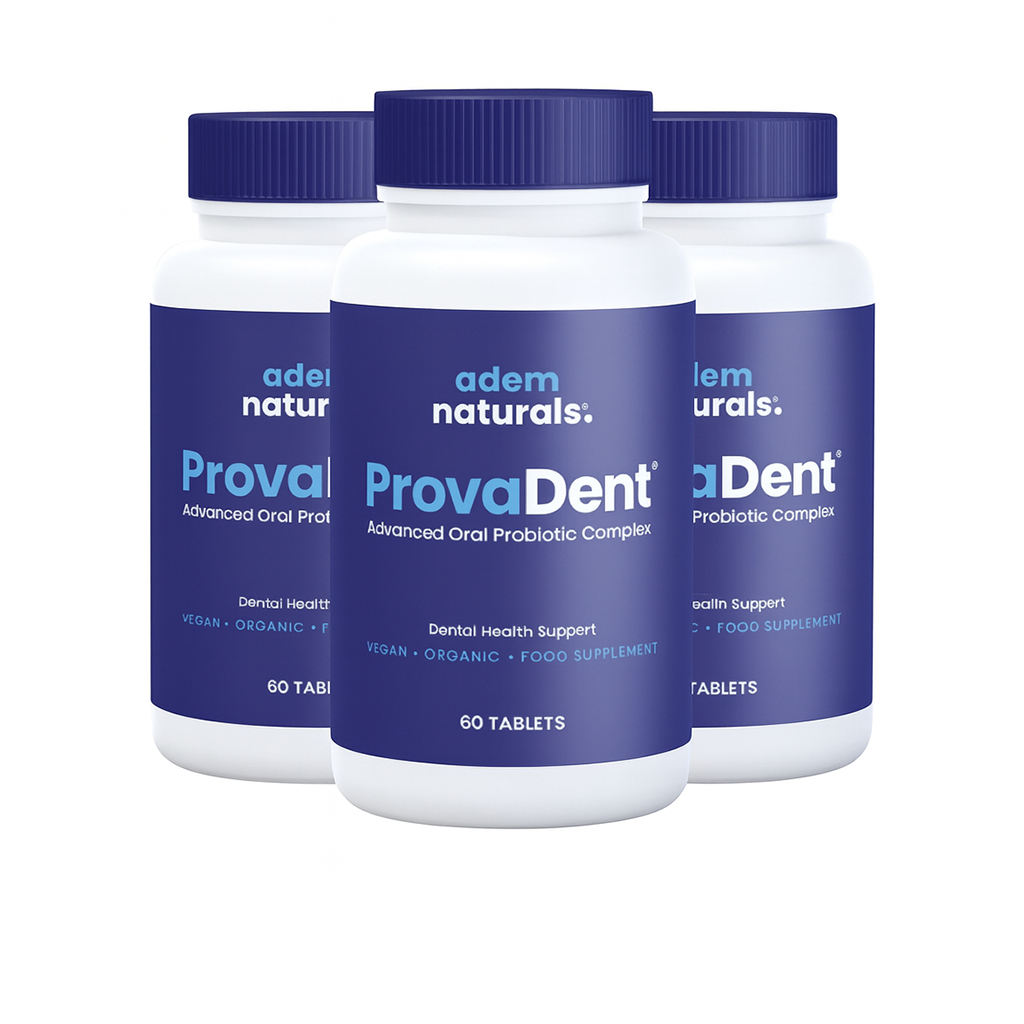
provadent
ProvaDent is presented as a capsule formula combining four probiotic strains with organic xylitol, cranberry extract, purple carrot powder, and BioFresh Clean Complex. Its seller markets the blend for oral microbiome support and fresher breath.
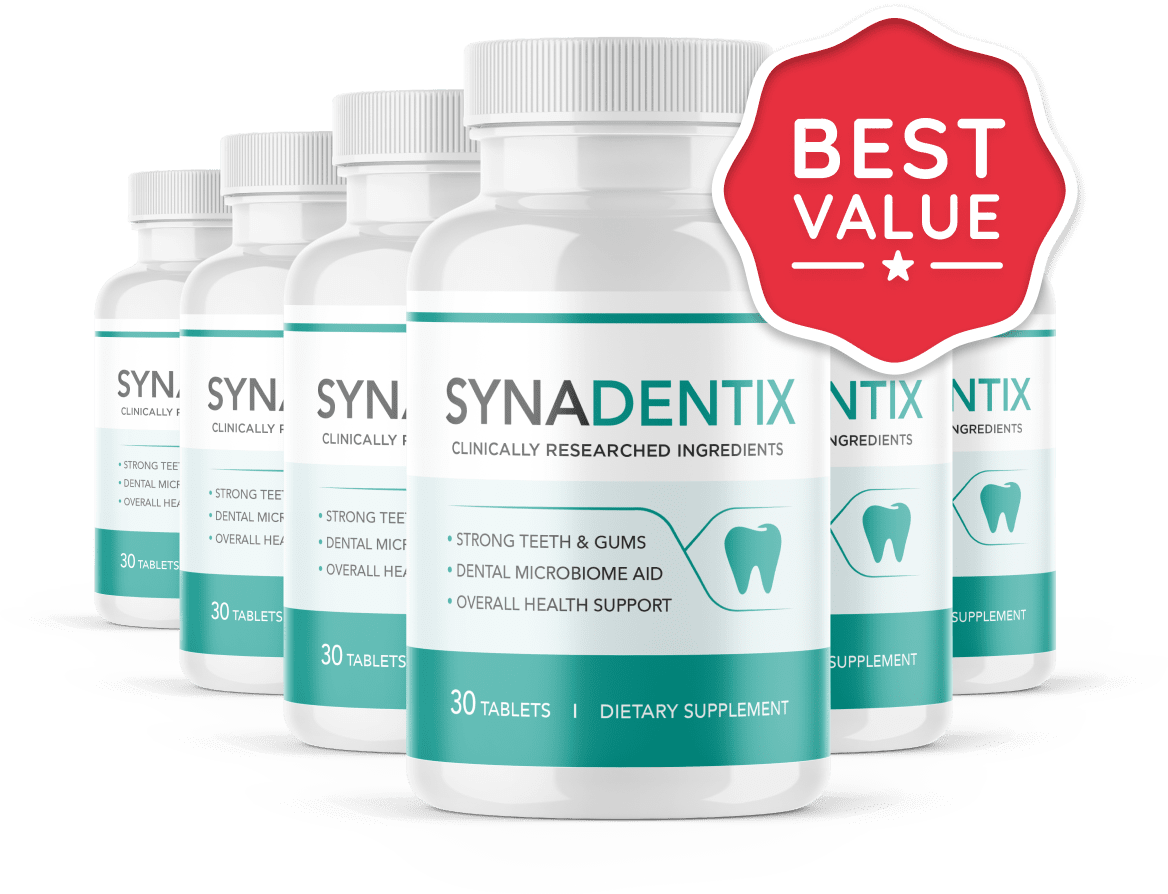
synadentix
Synadentix is sold as a chewable intended to melt under the tongue or be chewed slowly at night. The merchant identifies microcrystalline hydroxyapatite complex, lactoferrin, and marine enzymes as its distinguishing components.
dentatonic
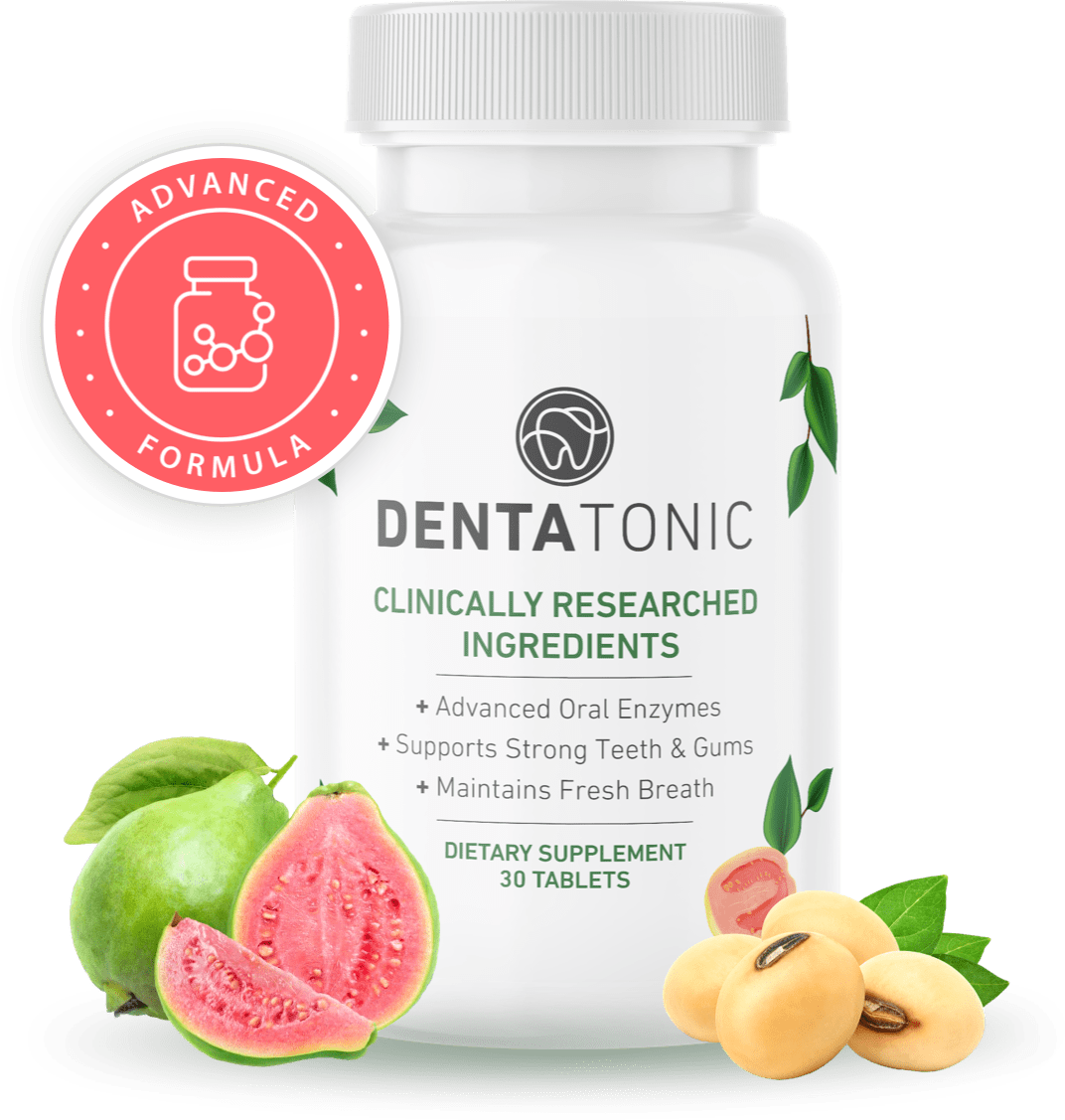
DentaTonic is described in the supplied material as a once-daily tablet containing a proprietary combination of enzymes and proteins. The seller specifically emphasizes support for saliva's lactoperoxidase system, although quantities and clinical breath evidence are not provided in the excerpt.
denticore
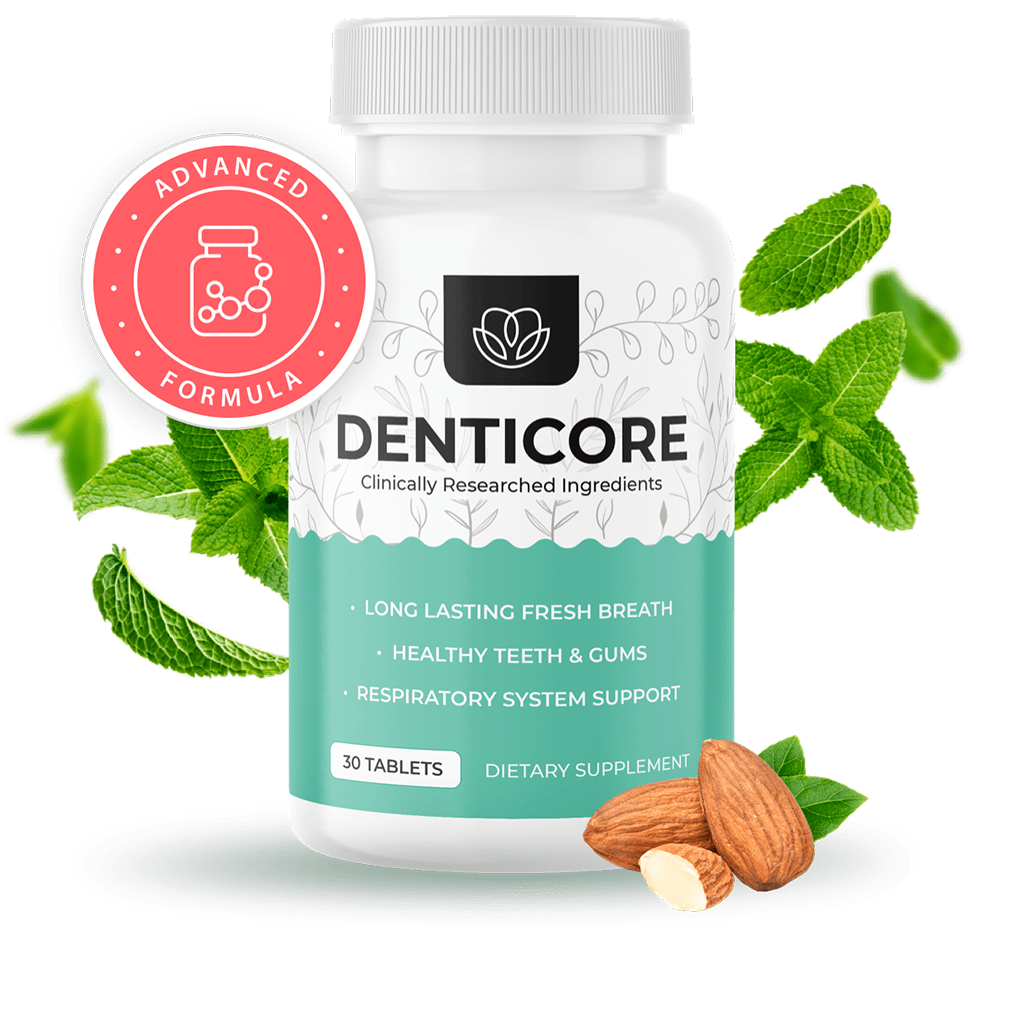
DentiCore is marketed as a soft chewable made with plants and minerals. The supplied seller text specifically mentions calcium and shilajit extract and instructs users to chew briefly or swallow the product with water.
dentitox pro
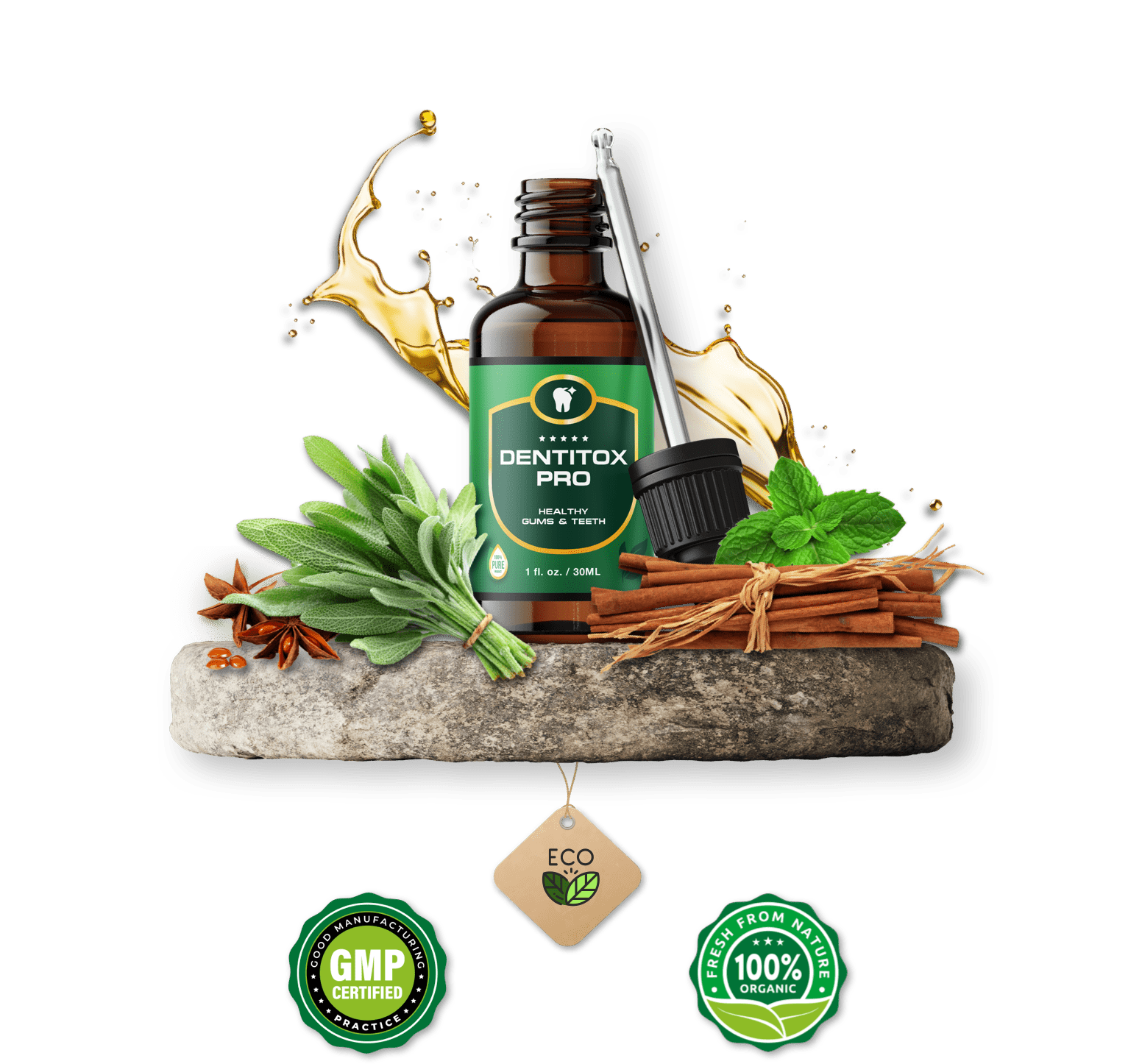
Dentitox Pro is presented as a dental drop formula containing vitamins and plant-based ingredients. The disclosed list includes licorice, elderberry, xylitol, vitamins A and C, and vitamin D3.
powerbite
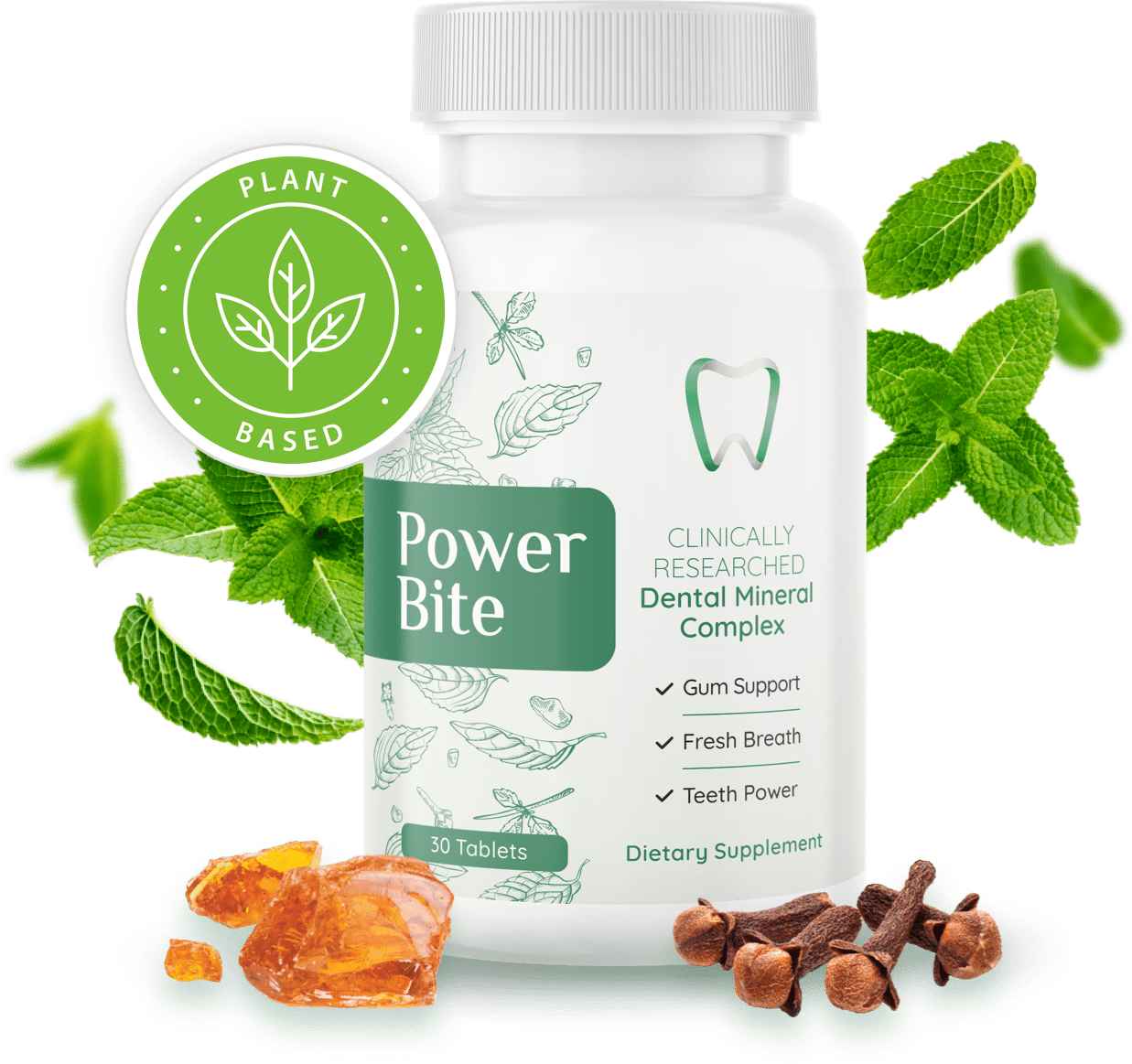
PowerBite is marketed as a dental candy containing a proprietary blend of plants and minerals. The seller names myrrh and wild mint among its ingredients and promotes the formula for tooth and gum support.
Can bad breath be removed permanently?
There is no single permanent cure for every case. Lasting control means finding and managing the cause: daily plaque removal for routine oral odor, periodontal treatment for gum disease, restoration of decay, or a dry-mouth plan when saliva is limited.
A fresh result immediately after mouthwash does not show that the source has been corrected. Judge a routine over several days, and arrange an examination if odor persists despite thorough daily care.
When a dentist should investigate
Book a dental visit if the problem lasts longer than about two weeks, repeatedly returns, or comes with bleeding gums, loose teeth, tooth pain, a bad taste, visible tartar, or a dry mouth that interferes with eating or speaking. A dentist can examine the tongue, teeth, gums, restorations, and saliva-related risk factors.
Facial swelling, fever, difficulty swallowing, difficulty breathing, or rapidly worsening dental pain can signal a spreading infection and requires urgent care. Supplements and home remedies do not treat a dental abscess.
Frequently Asked Questions
Brush, clean between the teeth, scrape or brush the tongue gently, and drink water. This can reduce mouth-based odor quickly, but recurring odor still needs a cause-based solution.
A therapeutic rinse may reduce odor temporarily, while a cosmetic rinse mainly masks it. Neither removes tartar, repairs decay, or replaces brushing, interdental cleaning, and an examination when symptoms persist.
No. Dry mouth, gum disease, dental decay, appliances, tonsil debris, nasal problems, medicines, and some illnesses can contribute even when someone brushes regularly.